Obstacle Course Rental Ideas That Turn Kids’ Parties into Epic Adventures
The right inflatable obstacle course does more than fill a backyard. It sets a tone, frames the day, and gives kids a shared story they will tell for weeks. I have seen quiet seven year olds become fearless during a foam tunnel crawl, and middle schoolers who thought they were too cool to play start scheming relay strategies within minutes. The trick is to match the course to your space, age group, and rhythm of the party, then layer in game formats, themes, and smart safety practices. The result feels less like a rental and more like an outdoor adventure park you opened for a day.
Start with the three big decisions: size, style, and splash
When families call about an inflatable obstacle course rental, I ask three questions before anything else. How much space do you have, how old are the kids, and do you want it wet or dry. Those answers narrow the options more than any catalog can.
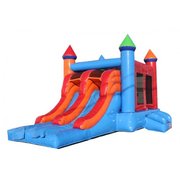
If the yard is modest or you have a slope, a 30 foot course that runs in a single line works better than a 70 foot giant that needs a clean rectangle. If you are expecting a broad age range, a combo bounce house rental with a short climbing wall and slide might hold attention better than a technical scramble. If you are planning for July and everyone lives in swimsuits, a wet dry slide rental simplifies the call. You can run it dry for the first hour while the cake bakes in the sun, then hook up the water for the second round when the heat peaks.
For toddlers and preschoolers, resist the urge to go big. A toddler bounce house rental with low walls, soft pop ups, and a gentle slope keeps them laughing and safe. Save the high walls and fast lanes for upper elementary and older. The best parties split the difference with a main attraction for the big kids, plus a small jumper rental on the side for younger siblings. That avoids the classic collision of a 60 pound eight year old landing near a 25 pound three year old.
Matching the course to your space and crowd
Measure your yard in real numbers, not guesses. A tape measure avoids hard conversations on delivery day. Many inflatable obstacle course rental units need a footprint of 15 by 35 feet, some more, plus a few feet of clearance around all sides for safety and anchors. If you want a giant water slide rental, expect 20 by 40 feet or more, and enough overhead clearance to avoid branches and power lines. Even a bounce house rental wants about 15 by 15 feet. Corners of patios, flowerbeds, and fence gates narrow the usable space quickly.
Soil, turf, and hardscape matter. Grass is ideal for stakes, but be mindful of sprinkler lines. Synthetic turf can handle an inflatable with sandbag anchoring, but ask your bounce house rental company to lay tarps and foam pads under high traffic points like entrances and exits. On concrete, sandbags and water barrels take the place of stakes. Plan wheel access if your gate is narrow, because many units arrive on dollies weighing 300 to 600 pounds.
Power is the next constraint. Each blower usually needs a dedicated 15 amp circuit. A typical 30 to 60 foot obstacle course uses two blowers, some large slides require three. Use 12 gauge outdoor cords if you need length beyond the company’s lead. Avoid daisy chains across multiple cords and never share a blower circuit with a fridge or garage tools. If power is far from the setup area or you are at a park shelter, ask for a generator from the party equipment rental inventory. A quiet inverter generator sized at 3000 to 7000 watts handles most setups and keeps noise tolerable.
Finally, know your wind and weather limits. Quality inflatables are engineered to handle light breezes, but most companies pause operations when sustained winds reach 15 to 20 mph. Wet units also require GFCI protection on outlets, and water flow should be steady but not firehose strong to prevent slippery pools at exits. Build a simple rain plan. A pop up tent for the cake table, towels and a warm-up corner, and a clear policy with the rental company about weather rescheduling saves stress.
Build a story, not just a setup: themes that spark imagination
A themed obstacle course changes how kids approach it. Turn a standard inflatable slide rental into a mountain rescue, with stuffed animals at the peak and a basket at the bottom to collect them. A pirate theme fits naturally with a crawl through tunnel as a cave and a slide as a plank. Space adventures work with glow bracelets for a late afternoon start, and a “refuel station” with fruit and water that doubles as your snack table.
Adding small narrative beats helps younger kids pace themselves. For a dinosaur theme, I have hidden foam eggs at the far end of a two lane course, making the race about bringing eggs back safely, not just speed. For a superhero party, assign capes by team color and stage a “training academy” with three events: a strength crawl, a leap over small blocks, and a final slide to a foam “landing zone.” The adults can play bounce house rentals near me mission control, shouting out time checks that keep the energy high without turning it into a pressure cooker.
Props should be light and soft. Pool noodles become lasers or vines. Cones mark start boxes so sprinters do not pile onto the entrance at once. If you rent a combo bounce house rental with a hoop inside, fold a mini game into the story. Ten bounces, one hoop shot, then through the tunnel and down the slide to finish. Structure limits chaos in a way that lets kids feel wild but safe.
Game formats that work in real backyards
Head to head races are the obvious choice, and they work. But not for two hours straight. Variety keeps the group engaged.
Timed runs are easy to administer. A parent with a phone stopwatch can track a leaderboard and celebrate personal bests. Run kids in small waves, four at a time, to avoid bottlenecks at the start. Relays add teamwork. Divide the group by birthday month or T shirt color rather than close friendships to mix kids who do not know each other well. Pass a baton shaped like a foam stick or a flag, not anything rigid.
Scavenger challenges work across a course with pop ups and tunnels. Place three colored beanbags at the far end. Each runner must grab the color they were assigned and return with it. Add rules like crawl when you carry the yellow bag, hop twice after the blue bag, to vary movement patterns and slow the fastest kids just enough to keep it fair.
For older kids, a gauntlet format adds spice. Station a parent with a soft throwing ball at a safe distance and give them one toss to tag a runner’s shoe. If tagged, the runner must take a silly detour, such as ten jumping jacks before finishing. It keeps attention high without turning physical. Rotate the parent every few rounds so no one becomes the bad guy.
With a water slide rental, staggered starts prevent pileups in a splash zone. Use simple hand signals or a whistle. Dry to wet transitions deserve ten minutes of rules and towel time, because kids shift gears better with a deliberate reset. Make that moment part of the program, not an afterthought.
Safety details that matter more than you think
The best bounce house rental inflatable party rentals company will brief you on safety, but a host who anticipates trouble points prevents the rare mishap. Age segregation is your strongest lever. A five minute block schedule that alternates big kids, then little kids, makes the course feel faster because the line shortens and the throughput stays steady. A good ratio is one adult per ten kids watching entry points. Station one more adult at the exit of tall slides, because that is where kids pile up when they stop to celebrate.
Footwear and accessories are not optional rules. Shoes off, socks off for water, no jewelry, no sharp hair clips. Sunglasses around necks become entanglement hazards inside tunnels. Have a visible bin for shoes near the entrance and a small towel table for water play. Hydration belongs away from the course entrance to avoid drips that create slick spots. Keep a basic first aid kit nearby, and know which adult will step in for a scrape so the line does not stall.
Anchoring is not just for the crew. Ask how they secure the unit. Stakes should be driven fully, angled outward, with tethers taut. On hard surfaces, sandbags need to be heavy enough to counter lateral pulls, not just the unit’s static weight. If the course has a high center of gravity, extra tie points matter. Do not allow kids to climb exterior walls or sit on top rails for photos, no matter how tempting. All the funny social media videos you have seen are edited to remove the moments that made people nervous.
When water takes center stage
A wet dry combo or a giant water slide rental changes the whole party cadence. Kids will cycle between the wet attraction and warm up zones, so plan a gear shift. Towels, sunscreen stations, and a shoe corral keep the ground from turning muddy. If your course converts from dry to wet, ask your vendor to show you the connection points and water flow control. A drizzle along the slide lanes is enough to reduce friction. A blast floods seams and weakens friction at the base, which creates hydroplaning zones.
Mind your lawn. Place a tarp beneath exits where puddles form. Consider a lightweight walkway mat from the splash zone to the patio. Turn the water off during cake and presents so the turf gets a chance to drain. Remind kids to walk on hardscape when they are wet and excited, because the run to the snack table is the real slip hazard.
Expect louder ambient noise. Open blowers plus running water can hit 70 to 80 decibels near the unit. That makes megaphone style rule calls hard to hear. Use clear hand gestures and assign one adult to be the starter at the entrance, not the snack table.
The power of pairing: building lanes and zones
Some of the best backyards I have set up used two mid sized inflatables rather than one giant showpiece. A compact obstacle course rental for steady throughput, paired with a smaller inflatable slide rental or a basic bounce house rental for free play, smooths flow and gives kids who dislike head to head races a place to shine. That combo often costs less than a single longest unit, and it opens more game formats.
If you do go big, use markings on the ground. Cones or chalk arrows define entry points, and a line judge adult moves kids forward in waves. Parents can see how to help, and the herd behavior follows. Keep the cake table and presents at least 15 feet away from the exit zone so wet and excited kids do not trample the frosting.
A simple planning checklist that preserves your sanity
- Measure your usable space, including gate width and overhead clearance, and confirm power circuits or generator needs with your rental company.
- Match the unit to the age range, considering a separate toddler bounce house rental if siblings are under five.
- Decide on dry only or a wet dry slide rental, and prep towels, sunscreen, and splash mats if water is in play.
- Assign three adults for flow: one at entry, one at exit, one floating for first aid, photos, and rule reminders.
- Build a 90 minute activity arc with two or three game formats, a snack break, then free play to finish.
Pricing, value, and what you really pay for
Families often start with bounce house rental prices, then adjust as they compare styles. In most regions, a basic bounce house rental runs 150 to 300 dollars for a day. An inflatable slide rental or small combo bounce house rental might land in the 250 to 450 range. Water slide rental prices often range from 300 to 600, depending on height and season. An inflatable obstacle course rental spans 350 to 900, with the 30 to 40 foot two lane models usually in the middle. Giant water slide rental units and the 60 to 70 foot courses can climb to 600 to 1,000 or more, especially on peak weekends.
Price depends on delivery distance, setup complexity, weekday versus weekend, and whether you add an attendant. Expect delivery fees outside a core area or for park setups that require longer hauls and sandbagging. Overnight holds sometimes add a small fee to cover the second morning pickup, which can be worth it if your child wakes up ready to race again. Look for all in pricing that includes setup, takedown, tarps, and sanitizing. If your quote is lower than others by a wide margin, ask what is excluded.
A professional bounce house rental company invests in more than vinyl. Liability insurance, state inspections where required, and staff training are part of the sticker price. So is cleaning. After a muddy soccer team party, I watched a crew spend 45 minutes rinsing, sanitizing, and drying a single unit before rolling it. That is what you want. Ask how they clean between rentals, and whether they rotate units out for seam inspections and blower maintenance.
Working with the right vendor, not just the right unit
When you call around, treat the conversation like hiring a contractor. Specific answers, not vague assurances, build trust. Ask about anchor methods for your surface, power requirements per blower, and wind policies. Request a copy of the insurance certificate if you are hosting at a church or HOA field. If you are at a city park, verify permit and generator rules. Ask whether their crews can navigate your gate and any steps. Share photos of the setup area to reduce day of surprises.
The best vendors are transparent about limits. If someone says a 20 foot slide fits under a canopy of low branches, keep calling. A good company will also suggest alternatives when your first choice conflicts with your yard. Maybe the wet obstacle course you wanted becomes a dry course plus a small dunk pool on the side. Maybe you pivot from a giant water slide to a two piece setup that creates a race lane and a chill zone.
If you want a full party rental package, ask what else they carry. Tables, chairs, tents, fans, and coolers save separate trips. Not every bounce house rental company offers full party equipment rental, but coordinating gear with one vendor keeps delivery windows and pickup times simple.
A day-of timeline that keeps everyone smiling
Aim for a setup window that ends 30 to 60 minutes before guests arrive. Crews need room to unroll, place tarps, drive stakes, and test blowers. That early finish lets you stage props, load your snack table, and write a simple rules sign. I like a short rules briefing before the first run. Five sentences, not a speech. Shoes off, wait for the starter’s signal, one at a time down slides, no flips, listen to adults. Then run the first two heats yourself with the birthday child to set the tone.
Break the party into three blocks. Start with structured races while attention is prime. Shift to a snack and cake block when the line thins and the sun peaks. Finish with open play and a few time trials for kids who want one more shot at a personal record. If you are running a wet unit, turn water on for the final block. That gives kids a clean dry period for cake and photos, and it means everyone goes home damp but happy right at pickup time.
Expect a 30 to 45 minute takedown. Keep curious hands away from deflating walls. It is tempting to let kids climb on soft vinyl as it settles, but that stretches seams and complicates rolling. Offer the crew a clear path to the gate and a quick hose if mud is involved. Good crews move like a pit stop team when the area is ready.
Real world tweaks that make a big difference
Two quick anecdotes. At a backyard party with a narrow side gate, the family sent photos ahead, but forgot to mention the irrigation controller mounted halfway down the corridor. The dolly caught it, and we lost 15 minutes rerouting and padding the control box with foam. Take a slow walk through your access path and move anything fragile at hip height. At another event, the host placed the snack table at the course exit to “keep an eye on both.” Kids piled up near chips with bare feet, and crumbs made the mats slick. Move food away from exits by at least 15 feet, even if it feels less convenient.
One smart parent taped painter’s tape dots on the grass as standing spots for the next two racers. The line stopped bunching at the entrance. Another family placed a Bluetooth speaker near the entrance with a playlist that matched their superhero theme. Music covers blower noise and adds energy, but keep volume at a level where adults still hear rule calls.
If you share a fence with a neighbor who works odd hours, give them a heads up about blower noise. Offer a slice of cake. Goodwill smooths the occasional hiccup when a parked car blocks your delivery path.
When to choose alternatives and how to combine them
Not every party needs a full obstacle course rental. For very small groups or shorter time windows, a combo bounce house rental with a slide and a small climbing element makes sense. If your yard is tight but you want water play, a compact inflatable slide rental with a shallow splash pad offers high throughput without the footprint of a giant water slide rental. For toddlers, a separate toddler bounce house rental plus a bubble machine is often a better value than a course they cannot navigate.
Hybrids shine at mixed age events. A two lane 35 foot course lets older kids race, while a stand alone jumper rental in the shade becomes a quiet corner for younger siblings or kids who need a break from competition. You can still tie the theme together with shared props and a common snack table aesthetic.
Quick comparison guide for common options
- Toddler bounce house rental: low walls, soft pop ups, gentle slopes, best for ages 2 to 5, small footprint, high safety margin.
- Combo bounce house rental: bounce area plus short slide, sometimes a hoop or tunnel, fits small yards, versatile for ages 4 to 9.
- Inflatable obstacle course rental: two lane crawls, pop ups, small climbs, great for races and relays, ideal for ages 6 and up.
- Inflatable slide rental and wet dry slide rental: simple, high throughput, works as main event or complement, wet option excels in heat.
- Giant water slide rental: signature piece for hot weather, requires more space and supervision, strong visual impact, premium pricing.
Cleaning, sanitation, and allergy awareness
Ask how units are sanitized. Good operators use disinfectant safe for vinyl between rentals and allow full dry time to prevent mildew. If kids have grass allergies, place an entry mat and encourage rinsing feet before reentry to bounce areas. For food allergies, avoid sticky frostings near entrances and keep nuts away from shared touchpoints. Wiping handrails during a cake break is more effective than trying to police frosting fingers at the entrance.
Budget savers that do not feel like compromises
Weekday or Sunday afternoon bookings often cost less than prime Saturday slots. Sharing a rental with a neighbor, where you book an overnight and split the cost for back to back parties, can bring the per party price down without cutting quality. Some companies offer package pricing when you add tables and chairs from their party equipment rental inventory. Pick up and drop off at their warehouse can shave delivery fees if you have a truck and two strong adults, although that is rare for larger units because of weight and anchoring liability.
Be flexible on theme colors. If you care more about function than a perfect color scheme, you can sometimes secure a nicer unit at the same price because it is available when the on brand color is not.
The takeaway
A memorable kids party with inflatables is not about the most expensive vinyl in the yard. It is about fit. The course should match your space, the games should fit your group’s energy, and the timeline should respect kids’ attention. When those align, even a modest backyard party rental transforms into an epic afternoon. Pick a capable bounce house rental company, plan for safety and flow, and give the day a simple story. The kids will handle the rest.